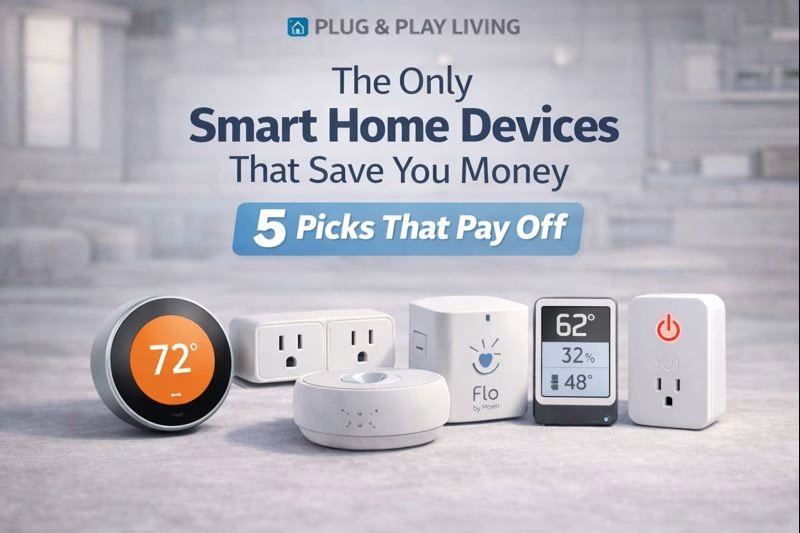
The Only Smart Home Devices That Actually Save You Money (5 Picks That Pay Off)
Most smart home devices don’t actually save you money. They’re convenient, fun, or interesting — but they don’t meaningfully reduce risk, prevent damage, or cut waste in a way that shows up in real life.
The devices below are different. Each one either helps prevent expensive problems, reduces ongoing waste, or gives you early warning when something changes — which is where real savings actually come from.
Quick Take
If you only buy 3 things: a whole-home water shutoff, a smart smoke/CO alarm, and a smart thermostat. These protect against the most expensive home problems and reduce waste without constant attention.
How Smart Home Devices Actually Save You Money
- Preventing damage: water leaks, fire, frozen pipes, and system failures
- Reducing waste: heating/cooling empty homes, devices running unnecessarily
- Early awareness: catching issues while they’re still manageable
The Smart Home Devices That Actually Pay Off
Flo by Moen Smart Water Monitor & Shutoff
Best for: preventing catastrophic water damage
Water damage is one of the most expensive and common home problems — and it often starts quietly. A failed supply line, appliance leak, or burst pipe can cause serious damage long before you notice anything is wrong.
Real review take: Flo stands out because it doesn’t just detect leaks — it can automatically shut off your home’s water supply. That ability alone can prevent a small issue from turning into a full renovation. It’s especially valuable in homes with basements, finished lower levels, or older plumbing.
Why We Chose This: Whole-home monitoring with automatic shutoff is one of the few smart home upgrades that can genuinely prevent a major financial loss.
What to Know Before Setup: Installation typically requires a plumber unless you’re comfortable working on your main water line. Spend time dialing in alerts so normal water usage doesn’t trigger unnecessary notifications.
First Alert SC5 Smart Smoke & Carbon Monoxide Alarm
Best for: early warning that helps prevent major damage
Fire and carbon monoxide incidents escalate quickly. The difference between catching an issue early versus late can be the difference between a minor event and a major loss.
Real review take: The First Alert SC5 offers smart alerts without relying on discontinued products or complex ecosystems. It’s a solid option if you want phone notifications when you’re away and clearer awareness than traditional alarms provide.
Why We Chose This: Early alerts reduce severity. Even when there’s no direct insurance discount, faster response can significantly reduce damage and risk.
What to Know Before Setup: Place alarms in sleeping areas, near mechanical rooms, and on each level of the home. Avoid placement too close to kitchens or bathrooms to prevent nuisance alerts.
Nest Learning Thermostat
Best for: reducing ongoing heating and cooling waste
Heating and cooling are some of the largest recurring home expenses. A smart thermostat won’t fix poor insulation, but it can prevent the common mistake of conditioning an empty home.
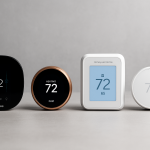
Real review take: The Nest Learning Thermostat is ideal if you want a hands-off approach. It quietly adapts to your routine and helps eliminate waste without constant manual adjustments.
Why We Chose This: It’s one of the few smart devices that can create consistent, ongoing savings without adding complexity to daily life.
What to Know Before Setup: Check HVAC compatibility before purchasing. If your system is complex, professional installation can prevent wiring issues.
Ring Alarm Security System
Best for: reducing risk and improving awareness
Security systems don’t just deter break-ins — they reduce uncertainty. Knowing when doors or windows open (especially when you’re away) helps you respond faster and avoid discovering problems too late.
Real review take: Ring Alarm is approachable, expandable, and easy to live with. It works well for homeowners who want meaningful alerts without managing a complicated system.
Why We Chose This: Risk reduction matters. Even preventing one incident or catching it early can outweigh the cost.
What to Know Before Setup: Focus sensors on main doors and ground-level windows first. Use Home vs Away modes so everyday activity doesn’t become alert noise.
Amazon Smart Plug
Best for: eliminating small but constant energy waste
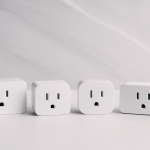
Smart plugs aren’t flashy, but they’re one of the easiest ways to stop devices from running when they shouldn’t. Lamps, seasonal lighting, and small appliances add up over time.
Real review take: Amazon’s smart plug is simple and reliable. It’s best for basic schedules and routines that remove the need for alerts entirely.
Why We Chose This: Low cost, low effort, and immediate utility — exactly what you want for preventing unnecessary usage.
What to Know Before Setup: Only use with devices within the plug’s rated capacity. Think lamps, lights, and small electronics — not high-draw appliances.
Final Thought
The smart home devices that actually save you money aren’t the flashy ones — they’re the ones that quietly prevent problems, reduce waste, and alert you early when something changes. Start with water, fire safety, and HVAC, then build from there.
Disclosure: As an Amazon Associate, we earn from qualifying purchases.